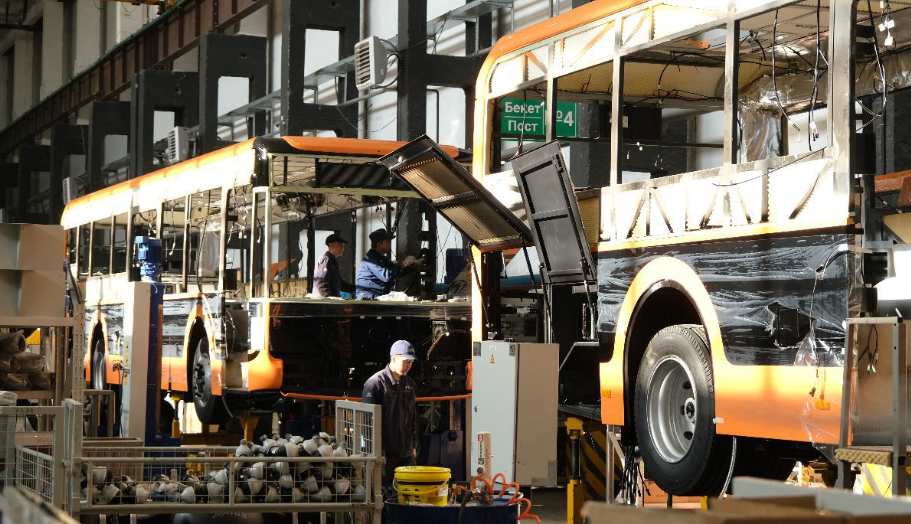
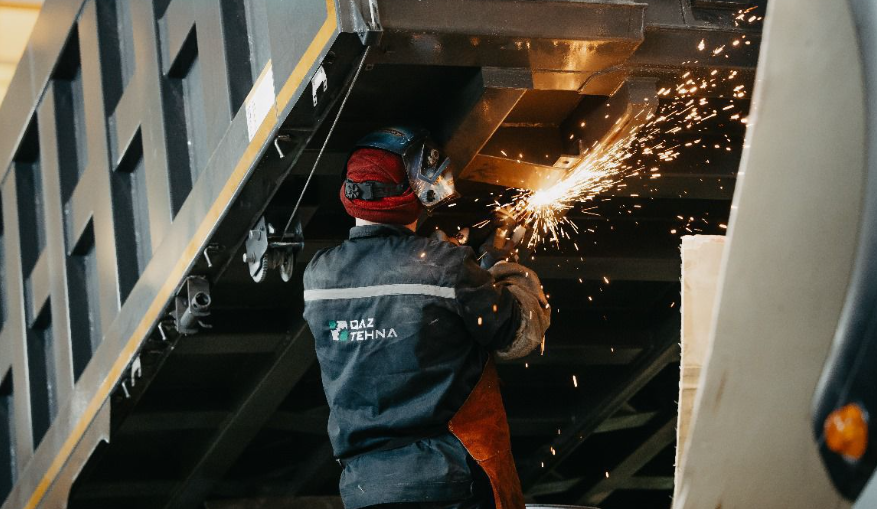
The QazTehna plant, opened in 2020 in the city of Saran, has become a driver of industrial progress in the region. Today, the enterprise produces Yutong city and school buses, as well as Howo and Scania trucks.
It is important that all processes are carried out within the framework of industrial assembly agreements, in accordance with a step-by-step localization algorithm approved by the partner manufacturer, notes Kairat Yelamanov, President of the Union of Industrial Investors of Kazakhstan.
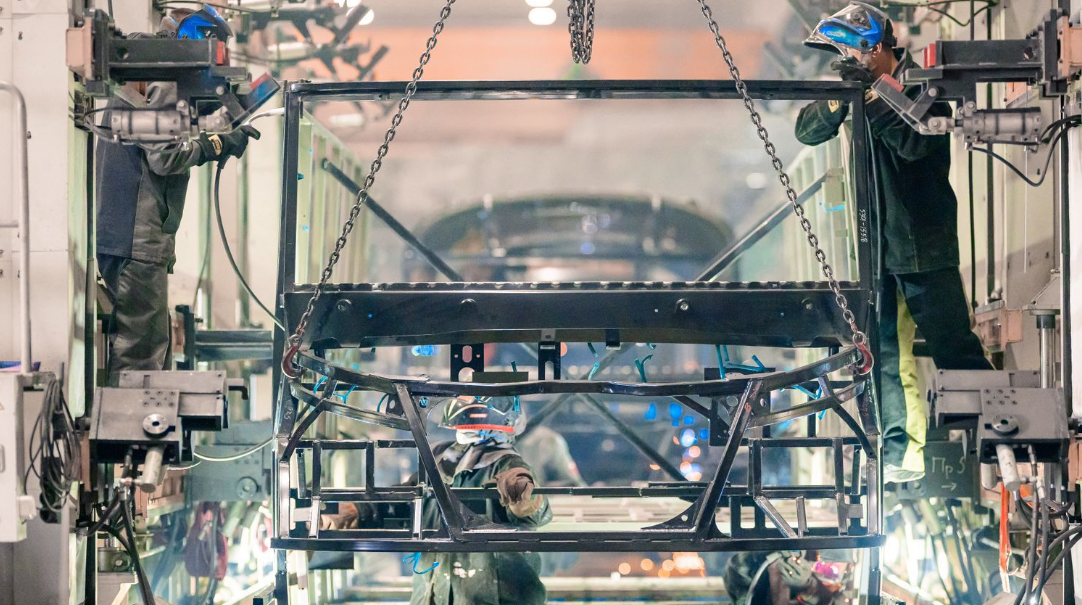
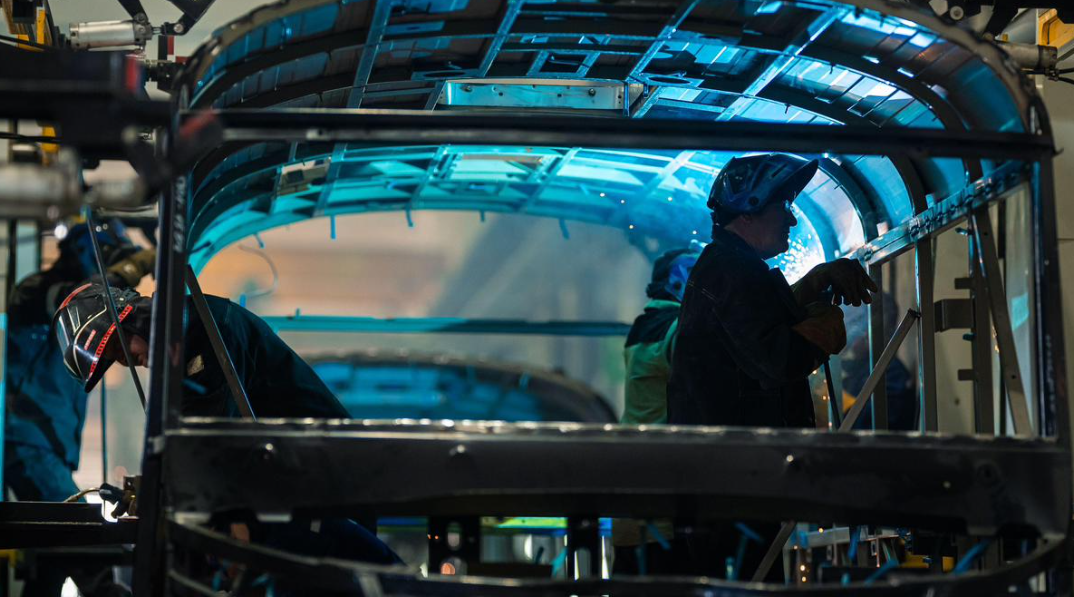
“The brand owner defines a clear localization roadmap for each new model in accordance with the industrial assembly agreement — starting with the assembly of major components, followed by welding, painting, small-unit assembly, and then the production of component parts. QazTehna, in turn, must fully comply with the conditions of the industrial assembly process. This is strictly monitored by the authorized body — the Ministry of Industry and Construction,” the expert explained.
QazTehna has invested 14 billion tenge in production assets — the highest figure among domestic manufacturers of commercial vehicles. Since 2021, the plant has switched to complete knock-down (CKD) assembly, which required the establishment of welding and painting lines — some of the most capital-intensive stages in the engineering industry.
“Localization is not only an obligation to the state but also to technological partners. At every stage and for every operation, the plant undergoes quality control. No vehicle or component can be released unless it meets the manufacturer’s standards and safety requirements. Therefore, the process of deepening localization always progresses step by step — it is a complex industrial journey implemented gradually,” emphasized Kairat Yelamanov.
In 2024, the plant produced 1,576 units of equipment, including 1,396 buses and 180 units of commercial vehicles. The plan for 2025 is 2,887 units — 1,560 buses and 1,327 commercial vehicles.
By the end of 2025, QazTehna plans to launch the production of stamped body parts for buses. The plant has installed Kazakhstan’s first hydraulic stamping press designed to manufacture a wide range of metal body components. The press is housed in a new 10,000 sq. m facility. The raw material used is domestic galvanized steel grade 08KP, produced by the Qarmet metallurgical plant and certified to international standards. The total amount of investment, including the second stage of implementation, will exceed 20 billion tenge.
In 2026, the company plans to start producing additional bus components — body parts, deep-drawing elements, plastic passenger seats, and handrails.
Today, QazTehna continues to deepen localization technologies both independently and in cooperation with other domestic manufacturers. For instance, truck superstructures will be produced jointly with the Kazakh enterprises Құрылысмет and Maker KLMZ. This is a strategic step toward building a national supplier ecosystem capable of providing the domestic engineering industry with locally produced metals and components.